
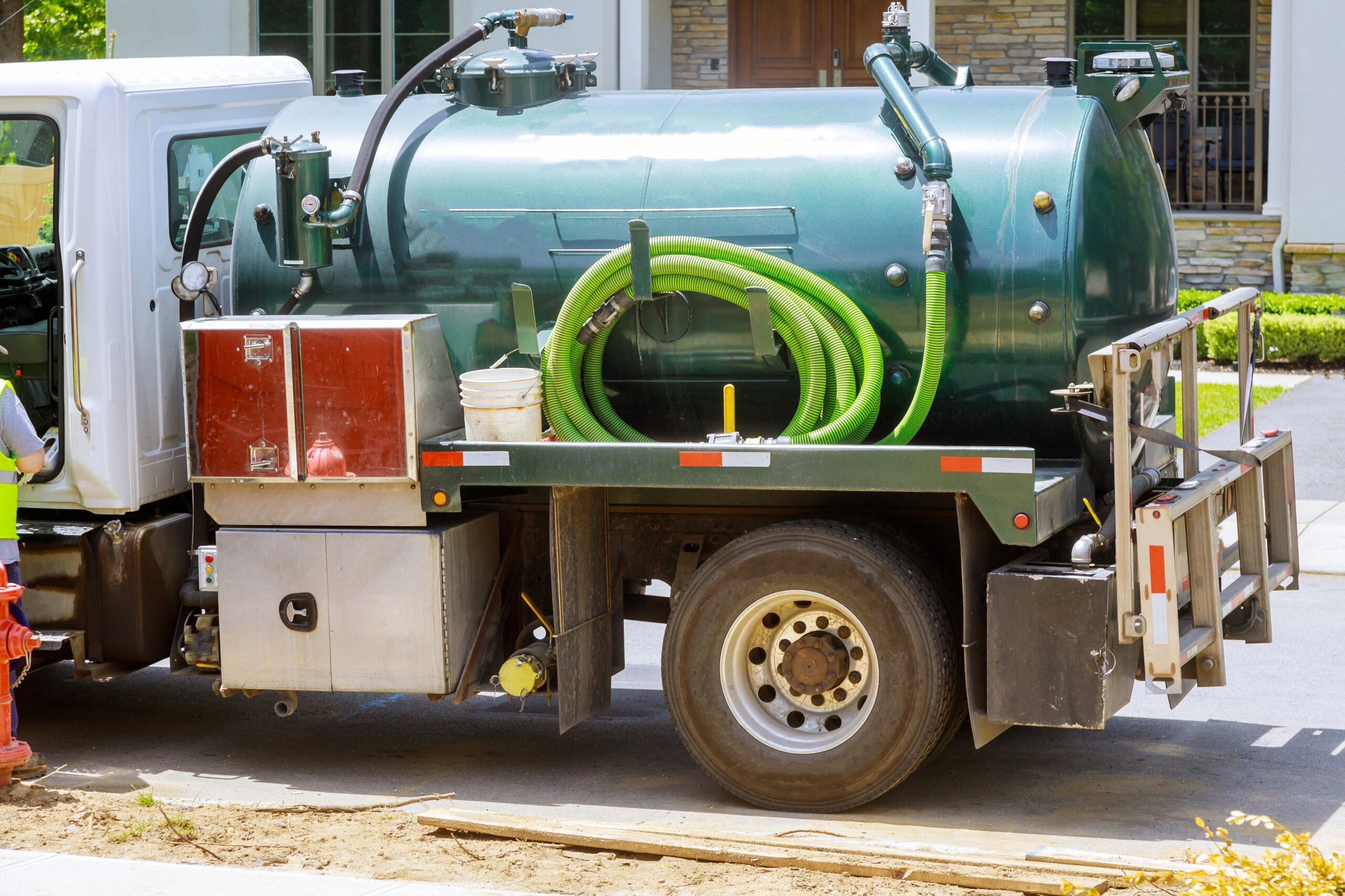
If you’re building a new home, converting rural acreage into a homesite, or replacing a failed system, one of the first questions you’ll run into is simple to ask but genuinely hard to answer in the abstract: how much does septic tank installation actually cost? The honest answer is that it depends on a handful of real, property-specific factors, and understanding them before you start getting quotes puts you in a much better position to evaluate what you’re being offered.
What Drives the Cost of a New Septic System
Every septic tank installation project starts with the same question: what does this specific property need? A handful of factors determine the answer, and they’re worth understanding before you get quotes.
- Soil type and percolation rate. This is often the single biggest cost driver. Sandy loam soil, common in areas like Magnolia and northern Conroe, generally supports simpler, less expensive conventional systems. Heavy clay soil, common near the Brazos River bottomlands around Richmond and in pockets south of Conroe, often requires a more expensive aerobic treatment system instead.
- System type. Conventional gravity-fed systems are the least expensive option where soil conditions allow. Aerobic treatment units, which use oxygen to break down waste more thoroughly, cost more upfront and typically require a maintenance contract, but they’re often the only option that meets code on difficult soil.
- Household size and water usage. The number of bedrooms in a home determines the expected wastewater flow, which in turn determines tank size and drain field sizing. A larger home generally means a larger, more expensive system.
- Lot size and layout. Available space for the drain field, setback requirements from wells, property lines, and water features, and the property’s overall grading all affect design complexity and cost.
- Site accessibility. Properties with difficult access, mature trees near the install site, or significant excavation and grading needs will generally cost more than a straightforward, open lot.
- Permitting and engineering. A site and soil evaluation, plus a system design from a licensed engineer or sanitarian, is required before installation and adds to the overall project cost, though it’s a necessary step regardless of which contractor you choose.
Conventional vs. Aerobic Systems: A Real Cost Difference
The choice between a conventional and an aerobic system is usually the single largest factor in your final price, and it’s not really a choice at all, it’s determined by your property’s soil. Conventional systems rely on gravity and natural soil filtration, which keeps costs lower but only works where the soil percolates well enough to handle the wastewater load. Aerobic systems add mechanical treatment components, an aerator, often a pump, and sometimes a spray or drip distribution system, which increases both the installation cost and the ongoing maintenance requirement. If your property sits on heavier clay soil, budgeting for an aerobic system from the start will save you from an unpleasant surprise partway through the quoting process.
Why Two Quotes for the “Same” System Can Differ
It’s common for homeowners to get two quotes that look wildly different even though both contractors are proposing what sounds like a similar system. A few things typically explain the gap:
- Different soil evaluation results. If one contractor performed a more thorough percolation test, they may have identified a soil condition the other missed, which changes the required system type.
- Included vs. excluded scope. Some quotes include permitting, engineering, and final grading; others treat those as separate line items added later.
- Tank and component quality. Concrete versus plastic tanks, and the brand and durability of aerobic system components, vary in both cost and expected lifespan.
- Warranty and maintenance terms. A lower upfront price sometimes comes with a shorter warranty or no included maintenance visits, which shifts cost to you down the road.
When comparing quotes, ask each contractor to itemize exactly what’s included, not just the bottom-line number.
Questions to Ask Before You Sign
- Has a soil and site evaluation actually been completed on my property, or is this quote a general estimate?
- Is this quote based on a conventional or aerobic system, and why?
- What’s included in the price: permitting, engineering, excavation, final grading, and cleanup?
- What warranty comes with the tank and, if applicable, the aerobic system components?
- What’s the expected timeline from permit approval to a finished, inspected system?
How to Budget Realistically
Rather than anchoring on a single number you saw online, the most reliable way to budget is to get a site evaluation done first. Soil conditions vary significantly even within the same neighborhood, so a number that’s accurate for your neighbor’s property may not apply to yours. Once the soil type and system requirement are known, a contractor can give you an accurate, property-specific estimate rather than a broad range that may not reflect your actual situation.
Frequently Asked Questions
Is a conventional system always cheaper than an aerobic system? Generally, yes, in upfront cost. But the choice isn’t optional, it’s determined by whether your soil can support a conventional gravity-fed system. If it can’t, an aerobic system is required regardless of budget preference.
Does tank size affect installation cost significantly? Yes. Tank size is based on your home’s bedroom count and expected wastewater flow, and a larger tank means both a higher material cost and a larger excavation.
How long does a new septic system usually last? A properly installed and maintained system typically lasts 25 to 30 years, though soil conditions, maintenance consistency, and system type all affect that range.
Do I need a permit before installing a septic system? Yes. A site and soil evaluation followed by an approved system design is required before installation in every county we serve, and skipping this step isn’t legally an option.
Can I install a system myself to save money? Texas requires septic system installation to be performed and documented in line with county and TCEQ regulations, and most counties require licensed installers for permit approval, so a DIY installation typically isn’t a realistic cost-saving option.
Should I get more than one quote? Yes, it’s a good idea, but make sure each quote is based on an actual site evaluation of your property rather than a generic estimate, so you’re comparing accurate numbers rather than guesses.
Final Thoughts
Septic tank installation cost isn’t a single fixed number, it’s the result of your specific property’s soil, size, and layout. Understanding these factors before you start collecting quotes means you’ll recognize a fair, accurate estimate when you see one, and you’ll know what questions to ask when two quotes don’t match up.
If you’re planning a new installation anywhere in the Houston area, Jones Septic LLC has provided honest, accurately scoped septic installation estimates since 1990, backed by real knowledge of how local soil conditions affect system design and cost.